Victorian Death Photography: Capturing Final Moments
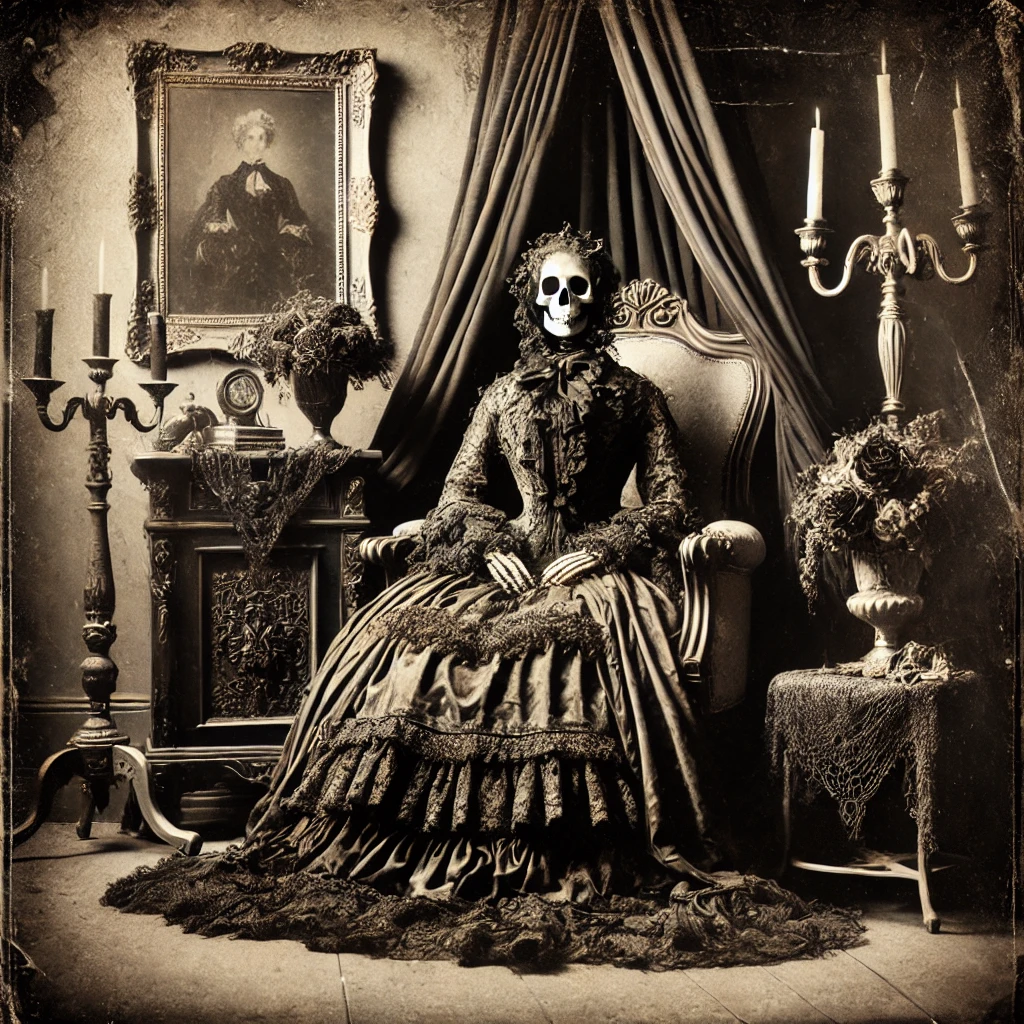
In the Victorian era, a unique and somber practice emerged: post-mortem photography. This is also known as Victorian death photography. This tradition involved photographing deceased loved ones. They were often posed to appear as if they were still alive. This practice became popular in the mid-19th century. Death was ever-present, especially due to high mortality rates from disease and poor healthcare.
Why Did People Take Death Photos?
Photography was still a new and expensive technology in the Victorian era. For many families, a death photo might be the only image they ever had of their loved one. It was a way to preserve their memory. The images were intended to be keepsakes. They often featured the deceased posed peacefully. Sometimes they included surviving family members. Other times, the deceased were made to appear as if they were simply sleeping.
How It Was Done
Photographers used various techniques to make the deceased look as lifelike as possible. Eyes were sometimes painted onto closed eyelids in the photographs, or the body was propped up using hidden stands. Props, such as books, toys, or flowers, were often used to give a sense of life or serenity. The subjects, especially children, were often posed in natural settings or positions to soften the stark reality of death.
Cultural Impact
Though the practice might seem morbid today, death photography was a way for Victorians to process grief. It served as a visual reminder of mortality and the transient nature of life. These images were often collected in albums or displayed prominently in homes. They were cherished by families. This allowed them to maintain a tangible connection to the deceased.
The End of an Era
Photography became more affordable and accessible. Better healthcare also emerged. As a result, the practice of post-mortem photography slowly faded by the early 20th century. Today, Victorian death photographs are viewed as historical curiosities that provide insight into how people once viewed death and mourning.